menopause transition
Perimenopause is the time before menopause when your body is getting ready to stop having periods. Perimenopause is sometimes called the menopausal transition.
Some women experience perimenopause symptoms in their mid 40’s and in some cases sooner. For me I had just turned 46 and noticed things felt a bit ‘off’. I was more sensitive to stress, waking in the middle of the night feeling anxious, unable to get back to sleep. My body ached and I felt a bit flat, like someone had stolen my personality!
I also noticed I was feeling a sense of awakening too - like I couldn't go on spinning all the plates. I was feeling a deep need to slow down, connect more with my values and be more honest about what I was going through.
Turning things around
Having studied the psychological and hormonal changes of menopause, I decided to listen to my body's signals.
I swopped rushing for resting, HIIT for yoga, more focus on lifting weights. I confronted my relationship with sugar, alcohol and caffeine and set boundaries around my time and energy.
Feeling the benefit
By prioritising my wellbeing, my symptoms have softened - I tend to sleep more deeply, have more energy to exercise and the motivation to eat healthily.
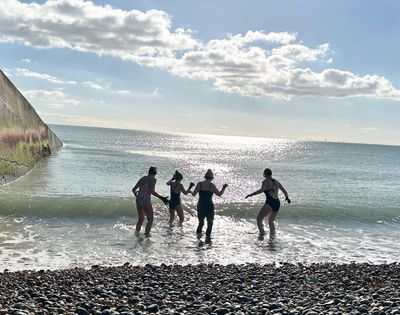
It’s fantastic that menopause is so talked about now. Amongst my friends we agree that missing a night out isn’t the end of the world - sea swims, saunas, day raves and girly lunches mean no hangovers!
I’ve learnt that by having a self care toolkit to follow, I always have a plan for when I need it.
A time for renewal
These strategies have shaped my coaching today. I can personally relate to this life phase, empathise with the highs and lows and can offer practical advice and support.
If you are feeling frazzled or aware of something changing, I want you to know it’s going to get better! Menopause can be truly liberating, an opportunity for new exciting beginnings and personal growth. Your body is already giving you clues...time to listen?
supercharge your midlife

How muscles change with age
Muscle mass peaks around age 30-35, then gradually declines, speeding up after age 65 in women. Before menopause, estrogen helps maintain muscle health by supporting repair and function. During the menopause transition, reduced estrogen can lead to smaller, weaker muscles.
Benefits of exercise and resistance training
Activities that increase muscle strength and your overall health are critical during and after the menopause transition. These include:
- Regular physical activity that increases your heart rate and gets you slightly out of breath, such as 30 minutes of brisk walking, running, cycling, dancing, etc. 4-5 times a week.
- Eating at least 1 – 1.2g/day of protein for each kg of your body weight to fuel muscle repair and growth.
- Resistance training (i.e. with resistance bands, weights or using your own body weight) at least twice a week will improve metabolism, insulin sensitivity, blood pressure, bone health and enhance overall well-being.
- Buddy up with a trainer or friend to stay motivated!
Other reasons to be more active in midlife
Improved self image: Regular exercise helps us to feel strong and confident in our body. Menopause is less about losing yourself and more about coming home to yourself - many women learn to love weights in midlife and say it's the key to feeling good and keeping their weight under control.
Stress less: We are more sensitive to stress in midlife - exercise decreases stress hormones cortisol and adrenaline, stimulating the production of endorphins which are the brain's mood elevators. Exercise in nature for an added boost.
Better sleep: We know that sleep is essential for vitality and insomnia can be the number one symptom of fluctuating hormones - regular exercise supports your natural circadian rhythm and sleep quality, helping you to wake up feeling more refreshed for the day ahead.
Social connection: Exercising with a friend or as part of a group often leads to a sense of belonging, purpose and self worth. It can be a really fun way to stay active, strengthen bonds and make new friendships.
Healthy ageing: Exercise helps to maintain strong bones, reducing your risk of osteoporosis. The lifestyles choices you make today will directly impact your future health. Now is the time to create healthy habits your future self will thank you for!